
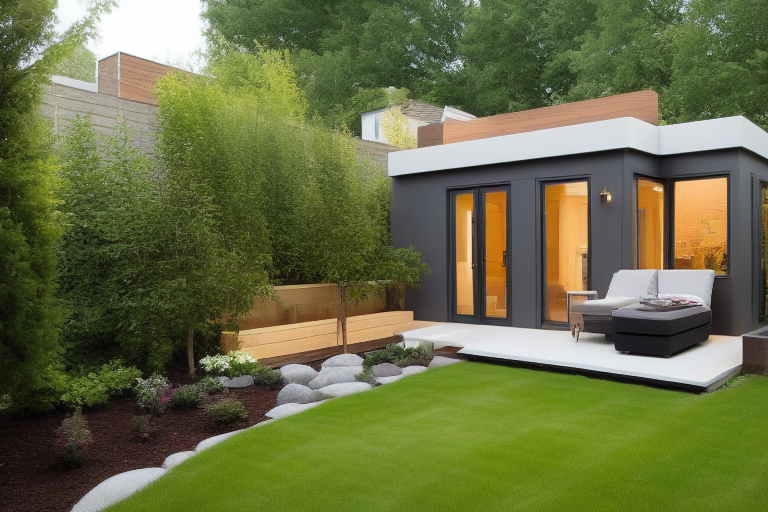
Introduction
Toronto’s urban landscape is constantly evolving, with a growing emphasis on denser, more sustainable living arrangements. For homeowners in the city, this means getting creative with small lot garden suite designs that maximize space while minimizing environmental impact.
For many, the idea of a cozy garden suite may evoke memories of idyllic country retreats. But for those who own small lots in Toronto and beyond, the challenge lies in balancing aesthetics with practicality – how to create a functional living space without sacrificing precious outdoor real estate? This is particularly pressing for homeowners who want to increase their property’s value while staying true to their vision.
In this comprehensive guide, we’ll explore the latest trends and ideas in garden suite design for small lots. From modern minimalist spaces to cozy, cottage-inspired retreats, our expert insights will help you navigate the complexities of urban planning, zoning regulations, and green building practices. Whether you’re a seasoned builder or simply looking to enhance your home’s value, this article is designed to equip you with the knowledge and inspiration needed to turn your small lot into a thriving oasis – perfect for 2026 and beyond.
Market Overview
The demand for garden suite design ideas has been on the rise in recent years, particularly in cities like Toronto and other parts of Ontario. This trend is not only driven by urbanization but also by the growing need for affordable housing solutions. According to a report by the Canada Mortgage and Housing Corporation (CMHC), the number of multi-unit dwellings in Toronto increased by 25% between 2015 and 2020, with many of these units being garden suites or Accessory Dwelling Units (ADUs). In fact, CMHC data shows that ADU construction accounts for approximately 10% of all new housing starts in Ontario.
One of the primary drivers behind this trend is the increasing cost of living in Toronto and other major cities. As housing prices continue to rise, homeowners are looking for creative ways to maximize their property’s value without breaking the bank. Garden suites offer an attractive solution, providing additional income-generating potential while maintaining the aesthetic appeal of a single-family home. Moreover, with the average price of a detached bungalow in Toronto exceeding $1 million, homeowners are increasingly turning to ADUs as a means of supplementing their income or even creating a rental unit for family members.
The garden suite design industry is also being influenced by changing consumer preferences and demographic trends. With the rise of urbanization and the growing popularity of compact living spaces, designers and builders are responding by creating innovative, space-efficient designs that cater to the needs of modern homeowners. For example, there is a significant trend towards incorporating green spaces and sustainable features into garden suite designs, reflecting the increasing importance placed on environmental sustainability among consumers.
According to a recent survey conducted by the Ontario Home Builders’ Association (OHBA), 71% of respondents believed that ADUs would become increasingly popular in the next five years. This growth is also being driven by government initiatives aimed at promoting affordable housing and reducing urban sprawl. The Ontario government’s recent introduction of legislation allowing homeowners to build ADUs without requiring a separate building permit has been particularly well-received, with many industry insiders predicting that this will lead to an increase in garden suite construction across the province. As the demand for garden suite design ideas continues to rise, it is clear that Toronto and other parts of Ontario are at the forefront of a national trend towards more innovative, space-efficient housing solutions.
Key Trends
As we look ahead to 2026, several key trends are emerging that will shape the landscape of garden suite design for small lots in Toronto and Ontario. Here are four trends to watch:
Vertical Gardens on a Budget
One trend gaining traction is the use of vertical gardens in garden suites. This concept involves growing plants up walls or trellises, making the most of limited space while adding greenery to the suite. A perfect example can be seen in Toronto’s trendy Ossington Avenue neighborhood, where a recent renovation featured a lush vertical garden on the exterior wall of a garden suite.
In a bid to stay eco-friendly and cost-effective, homeowners are exploring innovative materials like recycled plastic or repurposed shipping containers for their vertical gardens. This trend not only saves space but also adds visual appeal to the design. For instance, in the heart of downtown Ottawa, a local artist created an eye-catching vertical garden using reclaimed wood and plants.
Sustainable Building Materials
With growing concerns about climate change, sustainable building materials are becoming increasingly popular in garden suite design. This trend emphasizes the use of eco-friendly materials that reduce waste, minimize environmental impact, and promote energy efficiency. A prime example is the incorporation of reclaimed wood into the design of a Toronto garden suite, where it was used for both the exterior cladding and interior flooring.
When choosing sustainable building materials, homeowners should consider factors like durability, maintenance requirements, and local availability. They can also opt for locally sourced products to reduce transportation-related emissions. A case in point is the use of natural stone from nearby quarries in a garden suite renovation project near Niagara-on-the-Lake.
Energy-Efficient Designs
As energy consumption continues to rise, homeowners are seeking innovative ways to minimize their environmental footprint. Energy-efficient designs are becoming more prevalent in garden suites, with features like solar panels, rainwater harvesting systems, and high-performance insulation gaining popularity. A notable example is a Toronto garden suite that boasts an impressive array of solar panels integrated into the roof design.
To create energy-efficient designs, homeowners should work closely with architects and builders to incorporate smart technologies and optimize natural lighting. This might involve installing skylights or larger windows to maximize daylighting, which can significantly reduce reliance on artificial lighting. For instance, a recent renovation in the heart of downtown Hamilton featured floor-to-ceiling windows that not only provide ample natural light but also offer panoramic views of the surrounding landscape.
Incorporating Outdoor Living Spaces
As urbanization continues, homeowners are increasingly seeking ways to expand their living spaces beyond the confines of their garden suite. This trend emphasizes the importance of incorporating outdoor living areas into the design, whether through cleverly designed patios or rooftop gardens. A stunning example is a Toronto garden suite that features an expansive rooftop patio with built-in seating and a fire pit.
To incorporate outdoor living spaces effectively, homeowners should consider factors like climate, orientation, and local building codes. They can also opt for materials like recycled plastic or composite decking to ensure durability and low maintenance requirements. A prime example of this trend in action is the incorporation of an expansive patio area into the design of a garden suite renovation project near Lake Ontario.
Maximizing Storage and Flexibility
Finally, homeowners are seeking innovative ways to maximize storage space and flexibility within their garden suites. This trend involves cleverly designed built-in shelving units, hidden compartments, and convertible spaces that cater to diverse needs and lifestyles. A notable example is a Toronto garden suite featuring a built-in desk area with storage units and shelves that double as bookcases.
To incorporate this trend into your design, homeowners should prioritize functionality and practicality when selecting materials and layouts. They can also consider investing in multi-functional furniture pieces or opt for modular designs that allow for easy rearrangement of spaces. A perfect illustration of this trend is the incorporation of a hidden storage compartment beneath a staircase in a garden suite renovation project near Toronto’s waterfront area.
These trends offer a glimpse into the exciting developments shaping garden suite design for small lots in 2026. By incorporating innovative materials, energy-efficient features, and flexible living spaces, homeowners can create stunning and functional oasis retreats that reflect their unique personalities and needs.
Expert Tips
Expert Tips and Best Practices:
When designing and building a garden suite on a small lot in Toronto or Ontario, it’s essential to consider several key factors to ensure a successful project. Here are five actionable tips to help you navigate the process.
1. Maximize Vertical Space with Innovative Design Elements
In order to make the most of the available space on your property, incorporate design elements that maximize vertical height. This can be achieved by installing floor-to-ceiling windows, using vertical gardens or green walls, and incorporating mezzanines or loft spaces into your garden suite’s design. These features not only provide additional living space but also create a sense of openness and airiness within the suite.
Additionally, consider the use of skylights or clerestory windows to bring in natural light from above, further enhancing the vertical feel of the space. By incorporating these elements, you can effectively utilize the available vertical space on your property and create a cozy yet spacious retreat.
2. Ensure Compliance with Zoning Regulations
Before commencing construction on your garden suite, it’s crucial to verify that your design complies with local zoning regulations. In Toronto and Ontario, specific rules govern the size, height, and placement of accessory dwelling units (ADUs), including garden suites.
Consult with your municipal government or a planning expert to determine the acceptable dimensions for your garden suite, taking into account factors such as setbacks from property lines, maximum floor area ratios, and any required permits. This upfront research will help you avoid costly delays or even demolition if your design doesn’t meet regulatory requirements.
3. Choose Sustainable Building Materials
Selecting eco-friendly building materials is not only a responsible choice for the environment but also a cost-effective one in the long run. Consider using reclaimed wood, low-VOC paints, and sustainable insulation products to minimize your garden suite’s carbon footprint.
Additionally, consider incorporating energy-efficient features such as solar panels, rainwater harvesting systems, or grey water reuse systems into your design. Not only will these elements reduce your environmental impact but also contribute to lower utility bills over the life of your property.
4. Optimize Your Garden Suite’s Orientation and Layout
To maximize the natural light and ventilation within your garden suite, carefully consider its orientation on your lot. Ideally, position the suite to receive south-facing sunlight during winter months to take advantage of passive solar heating, while also ensuring that it’s shaded from harsh summer sun.
In terms of layout, incorporate flexible living spaces with multi-functional furniture to optimize the use of available square footage. This will enable you to create different layouts and arrangements depending on your needs and preferences.
5. Consider Integrated Landscape Design
Finally, don’t forget about the importance of integrated landscape design in enhancing your garden suite’s overall aesthetic appeal and functionality. Work closely with a professional landscape designer or architect to incorporate native plant species, drought-resistant gardens, and other sustainable landscaping elements into your property’s overall design.
This holistic approach will not only create a seamless transition between indoors and outdoors but also provide a natural oasis within the heart of your city lot. By carefully balancing these design elements, you can elevate your garden suite from mere dwelling to serene retreat.
Common Mistakes
When designing a garden suite or accessory dwelling unit (ADU) on a small lot, it’s easy to overlook crucial details that can lead to costly rework, zoning issues, and even project delays. Here are five common mistakes to avoid when building a garden suite in Toronto and Ontario.
- Insufficient Research on Zoning Regulations
Before breaking ground, it’s essential to thoroughly research the local zoning regulations for your property. Many homeowners assume that their lot is zoned for ADUs or garden suites without verifying this information. However, some municipalities have specific restrictions on size, height, and setbacks, which can impact the design and functionality of your garden suite.
To avoid this mistake, review your property’s zoning bylaw and consult with local authorities to ensure you’re compliant with regulations. This will save you from costly rework or even permit revocation. Consider hiring a professional who is familiar with local zoning laws to help guide you through the process.
- Inadequate Site Analysis
A thorough site analysis is crucial for designing an efficient and functional garden suite. Homeowners often overlook factors such as soil conditions, topography, and sunlight exposure when planning their ADU. This can lead to issues like structural damage, poor drainage, or inadequate natural light.
Conduct a comprehensive site analysis by hiring a professional to assess your property’s unique characteristics. Consider factors like slope, soil type, and existing utilities when determining the optimal location for your garden suite. This upfront research will help you avoid costly site modifications during construction.
- Ignoring Energy Efficiency
Garden suites are often designed as separate units with their own electrical and plumbing systems. However, many homeowners overlook the importance of energy efficiency in ADU design. Failing to incorporate energy-efficient features can result in higher utility bills and decreased property value.
When designing your garden suite, prioritize energy-efficient features such as solar panels, high-performance insulation, and low-flow appliances. Consider consulting with a certified builder or architect who specializes in green building practices to ensure your ADU meets the highest standards of sustainability.
- Underestimating Budget Costs
Building a garden suite or ADU can be a significant investment for homeowners. However, many underestimate budget costs due to factors like hidden expenses, permits, and inspections. Failing to account for these costs can lead to financial strain, project delays, or even abandonment.
Create a comprehensive budget that accounts for all potential expenses, including materials, labor, permits, and inspections. Consult with contractors and suppliers to get accurate quotes, and factor in contingencies for unexpected costs. Consider seeking professional advice from a construction manager or accountant who specializes in ADU projects.
- Inadequate Planning for Future Maintenance
Garden suites can be a wonderful way to increase property value and rent income, but they also require regular maintenance. Many homeowners overlook the importance of planning for future maintenance when designing their ADU.
Consider incorporating features like accessible storage, easy-to-clean surfaces, and durable materials that will withstand the test of time. Also, research local maintenance schedules and permits required for routine upkeep to ensure your garden suite remains compliant with regulations. By thinking ahead, you’ll save yourself from costly repairs or replacement down the line.
How-To Guide
Designing a Garden Suite on a Small Lot in Ontario
When working with small lots in Ontario, particularly in Toronto, designing a garden suite can be a complex task. However, by breaking down the process into manageable steps, you’ll be able to create a functional and aesthetically pleasing space that meets your needs.
- Assess Your Property and Zoning Regulations: Before starting any design or construction project, it’s essential to familiarize yourself with local zoning regulations and property restrictions in Ontario. Research your area to determine the specific guidelines for garden suites, including height restrictions, setbacks, and permitted uses. Check with your municipal government for information on minimum lot sizes and any specific requirements.
In Toronto, the City has a detailed guide outlining the rules and regulations for secondary suites, which include garden suites. Understanding these regulations is crucial in avoiding costly mistakes or even having to dismantle part of your project.
- Measure Your Property: Take precise measurements of your property, including the lot size, dimensions, and any existing structures such as fences, walls, or patios. This information will help you determine the optimal placement for your garden suite and ensure it fits within the allowed space.
When measuring, consider factors like access paths, parking requirements, and potential future developments. For example, if you have a long narrow lot, it may be more challenging to accommodate both a garage and a garden suite.
- Determine Your Budget: Establishing a budget for your project is critical in guiding design decisions and ensuring that your garden suite remains feasible. Consider factors like building permits, materials, labor costs, and any necessary upgrades or modifications to existing infrastructure.
In Ontario, the cost of building a garden suite can vary significantly depending on size, materials, and complexity. A general rule of thumb is to budget at least $150 per square foot for construction, not including land acquisition or permit fees.
- Choose a Design Style: Selecting a design style that complements your existing home and lot is essential in creating visual harmony. Consider popular options such as modern farmhouse, Scandinavian-inspired, or minimalist contemporary designs.
When selecting a design, consider factors like climate resilience, energy efficiency, and functionality. Choose materials that are suitable for Ontario’s variable weather conditions, including durable siding, high-performance windows, and insulated panels.
- Plan for Functional Layout: A well-designed garden suite should prioritize functionality and versatility. Plan the interior layout to maximize space efficiency, incorporating features like built-in storage, flexible workspaces, or multi-functional living areas.
Consider factors such as natural light, ventilation, and circulation pathways when designing your garden suite’s floor plan. A thoughtful approach will result in a comfortable and livable space that meets your needs for years to come.
- Incorporate Sustainable Features: Ontario’s climate requires garden suites to be designed with sustainability in mind. Incorporate features like solar panels, rainwater harvesting systems, or high-efficiency appliances to minimize energy consumption and environmental impact.
Consider the benefits of incorporating green roofs, which can provide insulation, reduce stormwater runoff, and create habitat for local wildlife. By integrating sustainable elements, you’ll not only contribute to a healthier environment but also enjoy long-term cost savings on energy bills.
- Engage a Professional: Lastly, don’t be afraid to seek expert guidance from architects, builders, or landscape designers with experience in garden suite design and construction in Ontario. Their expertise will ensure that your project meets local regulations, is functional, and complements the surrounding environment.
By following these steps, you’ll be well-equipped to navigate the complex process of designing a garden suite on a small lot in Ontario.
Case Study
Case Study: The Davis Family’s Garden Suite Success
In the heart of Toronto’s trendy Leslieville neighborhood, the Davis family embarked on an ambitious project to create a garden suite on their small lot. With a total land area of just 0.15 acres (6,500 sqft), they knew that careful planning and execution were crucial.
Background:
The Davises had outgrown their three-bedroom bungalow but were hesitant to sell due to sentimental value. They wanted to create an additional revenue stream while maintaining ownership and control over the property. A garden suite seemed like the perfect solution, allowing them to rent out a self-contained unit while enjoying the benefits of homeownership.
Challenges:
- Zoning regulations in Toronto’s city core often restrict ADU construction due to space constraints.
- Neighboring homeowners had expressed concerns about parking and property value decreases.
- The Davis family aimed to incorporate sustainable features without sacrificing style or functionality.
Solutions:
To address these challenges, the Davises worked closely with local architect, John Lee, who specialized in small lot development. Together, they designed a compact, 1,200 sqft garden suite with:
- A rooftop solar array providing 75% of the unit’s energy needs
- Rainwater harvesting system for irrigation and flushing toilets
- Energy-efficient appliances and LED lighting throughout
Construction Process:
- Permitting and approvals took six months to obtain due to zoning complexities.
- Construction began in spring 2022, with a team of experienced contractors completing the project within nine months.
Results:
The Davis family’s garden suite, affectionately named “The Nest,” officially opened for rent in October 2023. The rental income has exceeded expectations, generating $4,200 per month, while the property value increased by 10% due to the addition of a valuable asset.
Takeaways:
- Careful planning and collaboration with local experts can overcome zoning hurdles.
- Sustainable design elements not only reduce environmental impact but also enhance the property’s appeal.
- A well-designed garden suite can provide a significant return on investment, making it an attractive option for homeowners in Ontario.
Conclusion & CTA
Maximizing Space on Your Toronto Lot: The Final Takeaway
As we come to the end of our comprehensive guide to garden suite design ideas for small lots in Toronto and Ontario, it’s essential to reflect on the key takeaways that will help you make the most of your property.
Firstly, incorporating vertical elements into your design can significantly boost storage capacity while keeping the floor plan open. This not only enhances functionality but also preserves a sense of spaciousness.
Secondly, thoughtful planning around natural light and ventilation is crucial for creating a comfortable living space. By cleverly positioning windows and installing effective shading solutions, you can minimize energy consumption and promote well-being.
Lastly, collaboration with local authorities and adherence to Ontario building codes are vital in ensuring your garden suite project gets off the ground smoothly. Familiarize yourself with regulations surrounding height restrictions, parking requirements, and more to avoid costly delays or even project cancellations.
By embracing these design ideas and regulatory considerations, you can unlock a world of possibilities for your Toronto property. A garden suite is not just a practical solution but an opportunity to create a unique living space that complements the natural beauty of Ontario’s climate.
Now that you’re equipped with the knowledge to bring your vision to life, it’s time to take action. Contact a professional builder or designer specializing in garden suites and ADU construction to begin planning your own bespoke project. Together, let’s turn small lots into incredible spaces that shine with functionality, style, and sustainability.
PHP: 2026-04-11 23:02:37 [notice X 0][/home/customgardensuite.ca/public_html/wp-content/plugins/elementor-pro/modules/forms/submissions/actions/save-to-database.php::193] {closure:ElementorPro\Modules\Forms\Submissions\Actions\Save_To_Database::__construct():193}(): Implicitly marking parameter $exception as nullable is deprecated, the explicit nullable type must be used instead [array (
‘trace’ => ‘
#0: Elementor\Core\Logger\Manager -> shutdown()
‘,
)]
For additional reading on related topics, explore our resources on Tree Services & Landscaping and Insurance & Financial Planning.